


Контекстна реклама – це не просто оголошення в Google, яке з’являється над органічною видачею. У сучасному Google Ads це система платного залучення клієнтів: пошукові кампанії, медійна реклама, ремаркетинг, Shopping, Performance Max, Demand Gen та інші формати. Вони працюють по-різному, тому перед запуском важливо розуміти не тільки що таке контекстна реклама, а й яку задачу вона має вирішити саме для вашого бізнесу.
Для власника компанії суть проста: ви платите за контакт із потенційним клієнтом у момент, коли він шукає товар, послугу або схоже рішення. Але результат залежить не лише від налаштувань у рекламному кабінеті. Важливі сайт, офер, ціна, швидкість відповіді менеджера, посадкова сторінка, аналітика і те, наскільки зрозуміло сформульована сама пропозиція.
Хороша кампанія починається не з ключових слів, а з бізнес-логіки: що продаємо, кому, у якому регіоні, через яку сторінку і скільки можемо платити за заявку, щоб реклама залишалась прибутковою. Якщо цих відповідей немає, бюджет легко витратити на кліки, які нічого не дадуть продажам.
Що таке контекстна реклама
Контекстна реклама – це платна реклама в інтернеті, яка показується користувачам залежно від їхнього запиту, інтересу, поведінки або контексту сторінки, на якій вони перебувають. У побуті цим терміном найчастіше називають рекламу в Google Ads, хоча всередині самої платформи є різні типи кампаній.
У пошуковій рекламі все починається із запиту користувача. Людина вводить у Google фразу, а система зіставляє її з ключовими словами, оголошеннями, ставками, якістю сторінки та іншими сигналами. Google пояснює, що ключові слова використовуються для зіставлення реклами з термінами, які люди шукають . Тому підбір ключів, мінус-слів і правильне групування кампаній напряму впливають на якість трафіку.
У медійній мережі логіка інша. Там реклама може показуватися не тому, що людина прямо зараз щось шукає, а тому що сторінка, тема, аудиторія або попередня поведінка користувача відповідають умовам кампанії. Google описує контекстне націлювання для Display Network через аналіз змісту сторінки, теми, ключових слів, мови, географії та інших сигналів.
Тому реклама в Google для бізнесу – це ширше поняття, ніж текстове оголошення в пошуку. Для одного проєкту основою буде пошукова кампанія. Для іншого – ремаркетинг Google Ads. Для інтернет-магазину часто важливими стають Shopping і Performance Max. Для послуг із довгим циклом рішення може працювати комбінація пошуку, медійної реклами й повторного контакту з аудиторією.
Чим вона відрізняється від SEO і таргетованої реклами
Платна реклама дає швидший старт, ніж SEO. Кампанію можна запустити після підготовки сайту, оголошень, аналітики й бюджету, а перші кліки отримати майже одразу після модерації. Але трафік триває доти, доки ви платите за покази, кліки або конверсії.
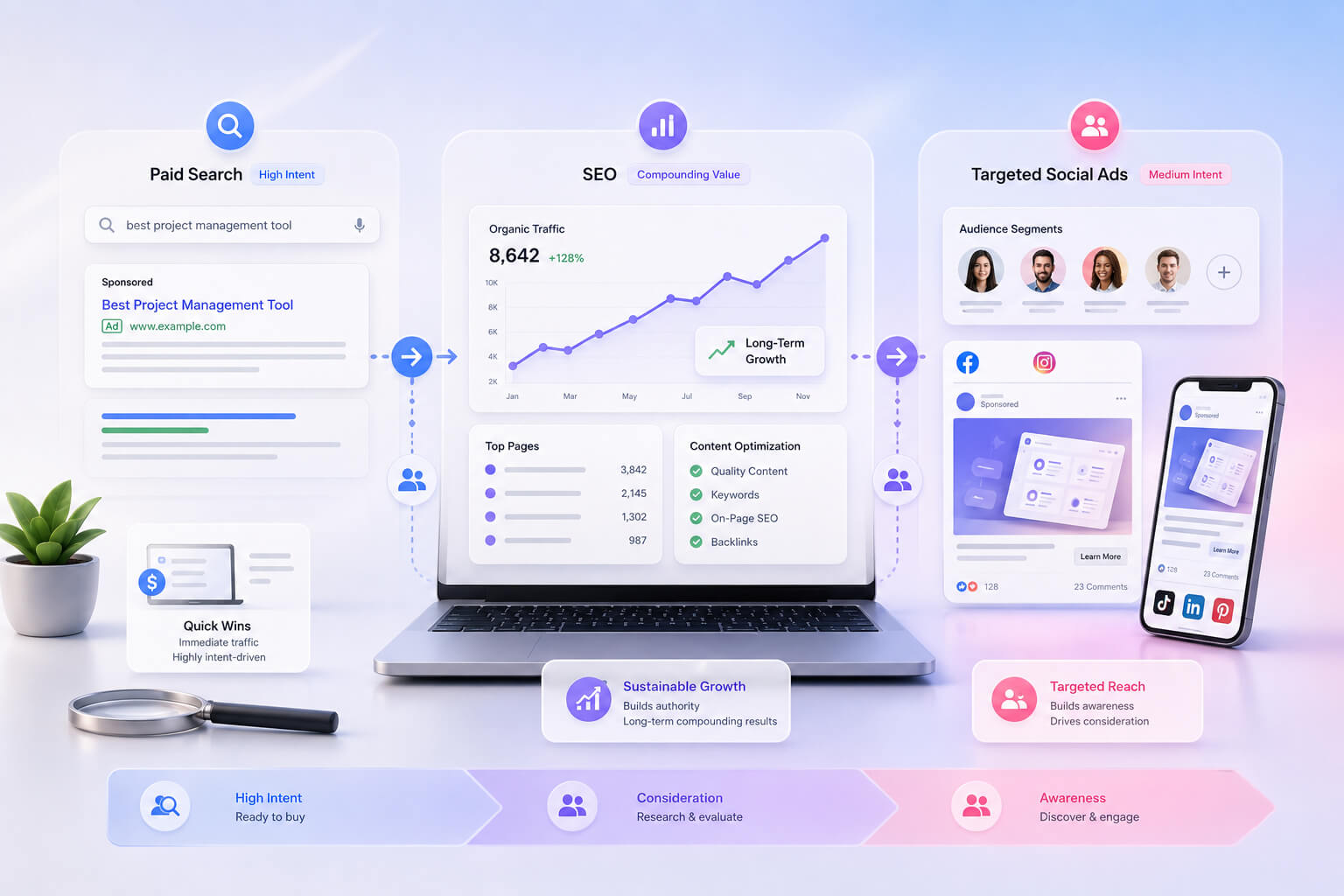
SEO працює інакше. Воно довше розганяється, але формує органічний трафік, який не залежить від щоденного рекламного бюджету настільки прямо. Для багатьох компаній найсильніша схема – не вибирати між рекламою і SEO, а поєднувати обидва канали: контекст закриває швидкий попит, а SEO-просування сайту поступово зменшує залежність від платного трафіку.
Таргетована реклама в соціальних мережах частіше працює від аудиторії: інтересів, поведінки, демографії, підписок, взаємодій із контентом. У Google Ads пошукові кампанії ближчі до сформованого попиту: користувач уже вводить запит, а отже, часто перебуває ближче до рішення. Це не робить один канал кращим за інший. Просто вони закривають різні етапи воронки.
Як працює реклама в Google Ads
Google Ads для бізнесу працює через аукціон. Коли користувач вводить запит або потрапляє в середовище, де може бути показана реклама, система оцінює, які оголошення відповідають ситуації, наскільки вони релевантні, яку ставку готовий платити рекламодавець і який досвід отримає користувач після кліку.
У пошукових кампаніях важливо зібрати правильні ключові слова, розділити їх за наміром користувача і відсікти нерелевантні запити мінус-словами. Наприклад, для юридичної компанії запити з наміром замовити консультацію і запити від студентів, які шукають реферат, можуть містити схожі слова, але для бізнесу це зовсім різний трафік.
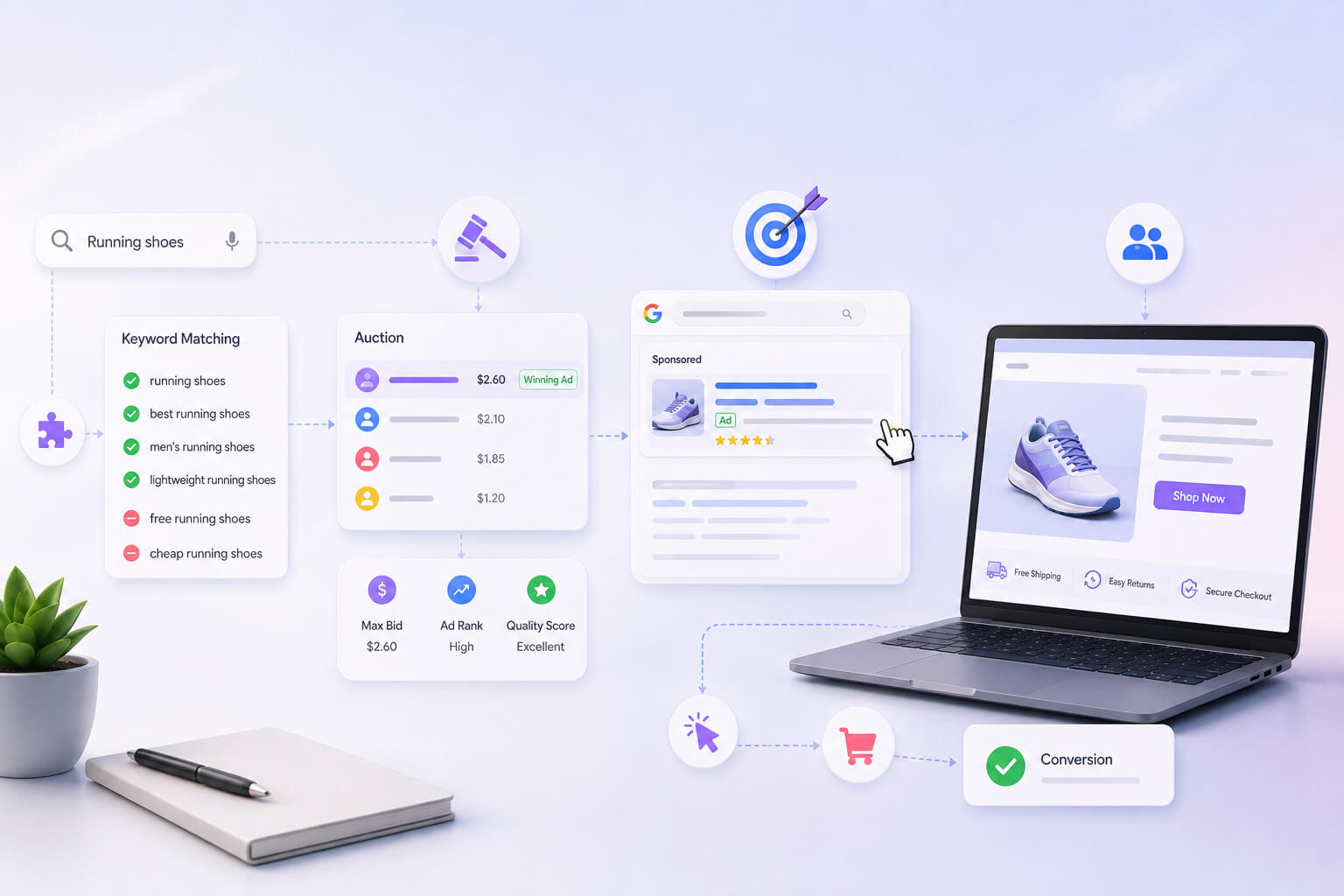
Далі йде оголошення. Воно має відповідати запиту, не обіцяти зайвого і вести на сторінку, де користувач справді знаходить те, за чим прийшов. Якщо в оголошенні йдеться про ремонт холодильників у Києві, а клік веде на загальну сторінку всіх побутових послуг, частина бюджету буде втрачатися ще до заявки.
Окремий шар – ставки й автоматизація. Google Ads може працювати зі стратегіями, які орієнтуються на кліки, конверсії, цільову вартість дії або повернення рекламних витрат. Але автоматичні стратегії не рятують кампанію, якщо неправильно налаштовані конверсії, слабка посадкова сторінка або в систему потрапляє неякісний трафік.
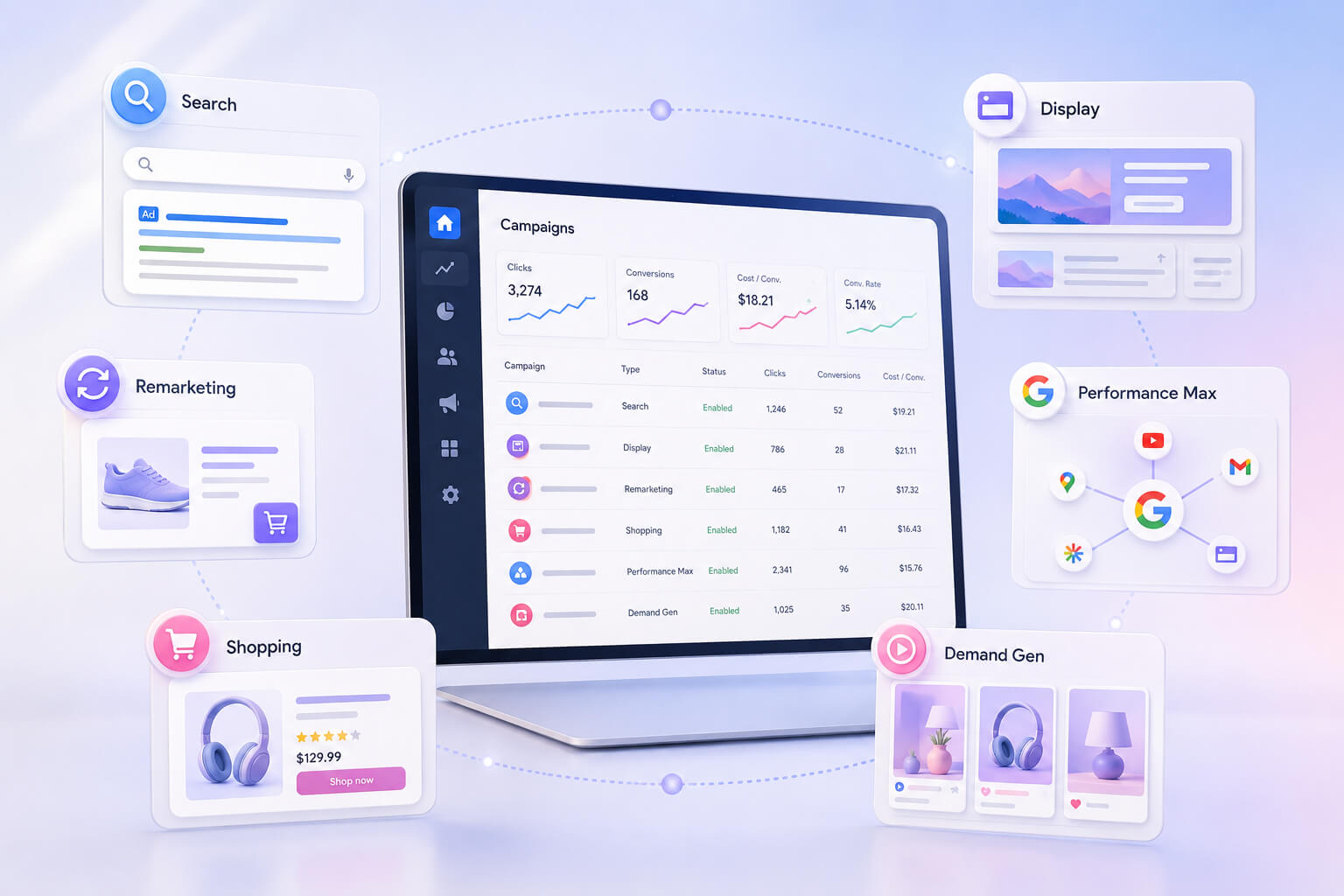
Види кампаній у Google Ads
Щоб не змішувати всі формати в один блок, краще дивитися на них через бізнес-задачу: де є сформований попит, де потрібно нагадати про себе, а де спочатку треба створити інтерес.
-
Пошукова реклама. Підходить, коли люди вже шукають товар або послугу. Це один із найзрозуміліших форматів для локального бізнесу, B2B, медицини, юридичних послуг, ремонту, доставки, освіти, консалтингу та інших напрямів зі сформованим попитом.
-
Контекстно-медійна реклама. Банери, адаптивні оголошення або інші формати показуються на сайтах, у додатках та інших майданчиках Google Display Network. Вона добре працює для охоплення, повернення аудиторії та підтримки впізнаваності, але не завжди дає таку гарячу конверсію, як пошук.
-
Ремаркетинг Google Ads. Кампанії працюють із користувачами, які вже були на сайті, переглядали товари, читали сторінки послуг або не завершили заявку. Це корисний повторний контакт, але він не компенсує слабкий сайт чи нецікаву пропозицію.
-
Google Shopping. Формат для інтернет-магазинів, де користувач бачить товар, фото, ціну й магазин. Для Shopping критично важливі коректний фід товарів, актуальні ціни, наявність, назви, категорії і нормальна структура сайту.
-
Performance Max. Цей тип кампаній може працювати на різних майданчиках Google і оптимізуватися під задані цілі. Google описує Performance Max як цільовий тип кампанії, що доповнює пошукові кампанії та використовує інвентар Google у межах однієї кампанії.
-
Demand Gen. Формат для візуальної реклами й формування попиту в екосистемі Google. Його не варто сприймати як прямий аналог пошуку, бо він частіше працює вище у воронці.
Офіційно Google виділяє кілька типів кампаній Google Ads , серед яких Search, Display, Shopping, Video, App, Performance Max і Demand Gen. Тому правильніше говорити не про одну універсальну контекстну рекламу, а про систему кампаній, які підбираються під бізнес-модель, попит і цілі.
Коли бізнесу варто запускати рекламу
Контекстна реклама добре підходить бізнесу, коли є зрозумілий попит і можливість швидко обробляти звернення. Це можуть бути послуги, інтернет-магазини, локальні компанії, онлайн-школи, клініки, виробники, B2B-напрями, сервісні служби або нові проєкти, яким потрібно швидко перевірити попит.
Запуск має сенс, якщо:
-
люди вже шукають ваш товар або послугу в Google;
-
є сайт або посадкова сторінка, здатна приймати трафік;
-
можна порахувати допустиму вартість заявки чи продажу;
-
менеджери швидко відповідають на звернення;
-
у бізнесу є бюджет не лише на тест, а й на оптимізацію після запуску.
Для малого бізнесу реклама в Google може бути способом швидко отримати перші заявки. Але запускати її краще не з максимально широких кампаній, а з найкомерційніших напрямів: конкретних послуг, міст, категорій товарів або запитів із явним наміром купити чи замовити.
Коли вона може не дати результату
Платний трафік не виправляє слабкий продукт, незрозумілу пропозицію або сайт, якому не довіряють. Якщо на сторінці немає цін, прикладів робіт, умов, форми заявки, контактів або пояснення, чому клієнт має звернутися саме до вас, навіть якісне налаштування Google Ads може дати дорогі й нестабільні заявки.
Ще одна типова проблема – запуск без аналітики. Бізнес бачить кліки, але не бачить, які кампанії дають заявки, які заявки стають продажами, а які просто витрачають бюджет. У такій ситуації оцінка ефективності перетворюється на здогадки.
Реклама також може спрацювати слабко, якщо попиту ще немає. Наприклад, новий складний продукт, який люди не шукають напряму, не завжди варто просувати тільки через пошук. Там може знадобитися інша комбінація: медійна реклама, Demand Gen, відео, контент, PR, SEO і робота з поясненням цінності продукту.
Що підготувати перед запуском
Контекстна реклама з нуля починається не з кнопки створити кампанію. Спочатку треба підготувати основу, без якої бюджет легко згорить на кліках без продажів.

-
Сайт або лендинг. Сторінка має відповідати оголошенню, швидко завантажуватися, нормально працювати на мобільних пристроях і чітко вести користувача до заявки, покупки або дзвінка.
-
Офер. Користувач має швидко зрозуміти, що саме ви пропонуєте, для кого, на яких умовах і чим ваша пропозиція відрізняється від інших.
-
Аналітика. До запуску потрібно налаштувати цілі, конверсії, форми, дзвінки, електронну комерцію або інші події, які показують реальний результат.
-
Бюджет. Потрібно розуміти не тільки скільки коштує контекстна реклама загалом, а й скільки ви готові платити за заявку, продаж або кваліфікований лід.
-
Обробка заявок. Якщо менеджер відповідає через день, реклама може формально давати ліди, але бізнес не отримає очікуваних продажів.
Google окремо підкреслює, що ефективні посадкові сторінки важливі для конверсій із рекламного трафіку . Тому проблема часто не в самій кампанії, а в тому, куди вона веде. Якщо сторінка не пояснює пропозицію або не викликає довіри, спочатку треба доопрацювати сайт, а вже потім масштабувати бюджет. Для окремих напрямів іноді потрібна не загальна сторінка сайту, а спеціально підготовлена посадкова під час доопрацювання або розробки сайту .
Як формується бюджет
Є два різні бюджети, які часто змішують. Перший – рекламний бюджет, який іде безпосередньо в Google Ads. Другий – вартість роботи спеціаліста або команди, яка відповідає за налаштування контекстної реклами, ведення рекламної кампанії, аналітику та оптимізацію.
Ціна кліка залежить від ніші, конкуренції, регіону, якості оголошень, релевантності сторінки, типу кампанії та стратегії ставок. У деяких напрямах клік може бути відносно дешевим, але конверсія низькою. В інших CPC вищий, зате заявки якісніші й краще окупаються.
Розраховувати бюджет краще не від бажання спробувати на мінімалках, а від бізнес-економіки. Спочатку потрібно зрозуміти, скільки компанія заробляє з одного продажу, яка частина заявок стає клієнтами, який CPA бізнес може витримати і який ROAS потрібен для окупності.
Для інтернет-магазину частіше дивляться на ROAS, маржу, середній чек і повторні покупки. Для послуг – на CPA, якість ліда, відсоток закриття в продаж і реальний прибуток із клієнта. Саме тому універсального прайсу, який однаково працює для всіх ніш, не існує.
Як оцінювати ефективність
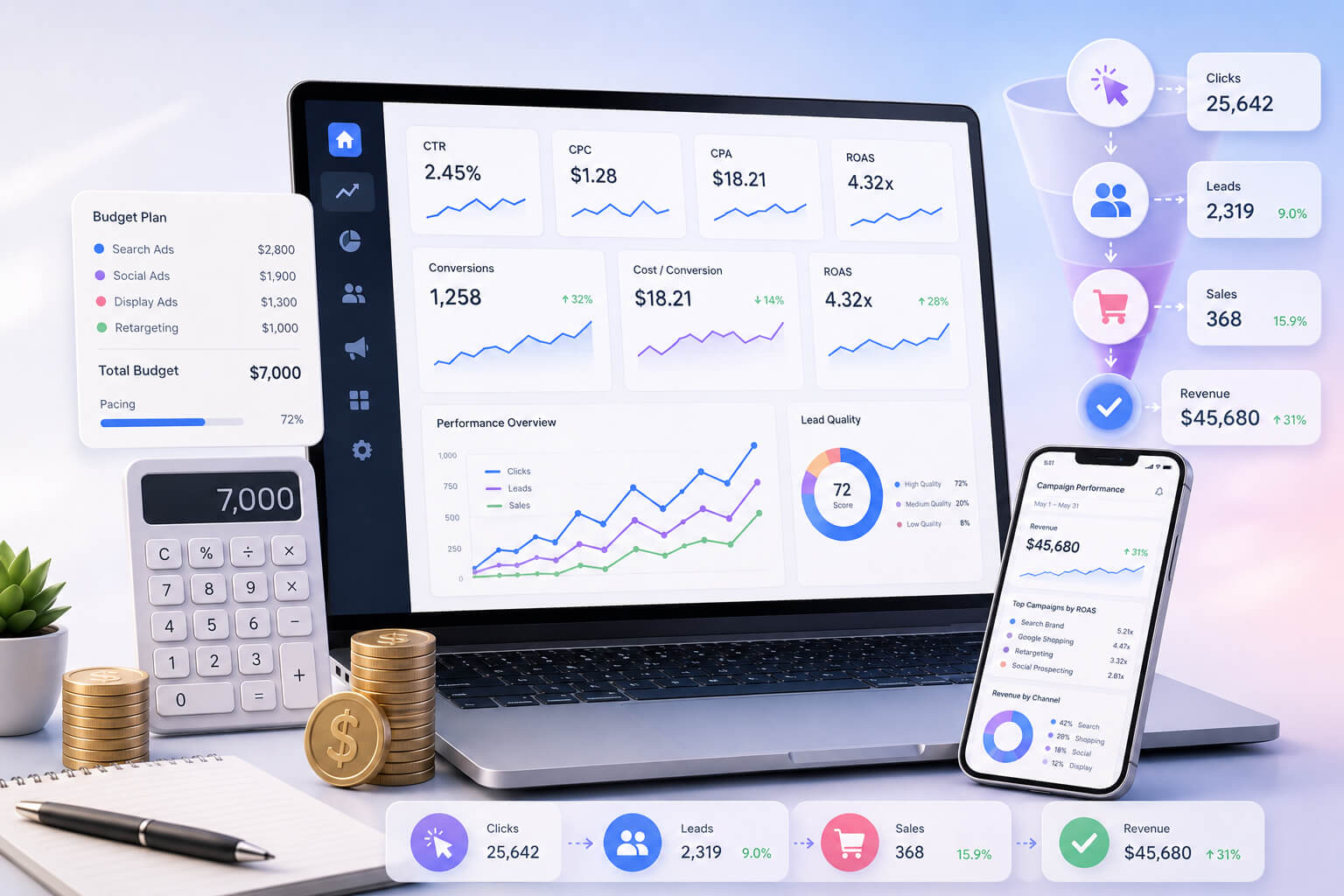
CTR, CPC і кількість кліків важливі, але вони не показують повної картини. Кампанія може мати гарний CTR і водночас приводити нецільових користувачів. Або навпаки: мати не найвищий CTR, але давати дорогі, складні, проте якісні заявки, які перетворюються на продажі.
Для бізнесу важливіші такі показники:
-
CTR. Показує, як часто користувачі клікають на оголошення після показу. Корисний для оцінки релевантності, але не є головною бізнес-метрикою.
-
CPC. Вартість кліку. Допомагає контролювати витрати, але не відповідає на питання, чи заробляє бізнес.
-
Конверсії. Заявки, дзвінки, покупки, бронювання, підписки або інші дії, заради яких запускається реклама.
-
CPA. Вартість цільової дії. Для послуг це часто один із головних показників, якщо коректно налаштовані конверсії.
-
ROAS. Повернення рекламних витрат. Особливо важливий для ecommerce, де можна передавати цінність покупки в Google Ads.
-
Якість лідів. Показник, який не завжди видно в рекламному кабінеті, але саме він часто вирішує, чи реклама справді вигідна.
Google Ads має автоматичні стратегії на основі цільового CPA і цільового ROAS. Target CPA орієнтується на отримання конверсій за заданою середньою вартістю дії, а Target ROAS – на повернення рекламних витрат. Але ці стратегії потребують нормальної історії конверсій і правильної передачі даних, інакше система оптимізуватиметься на слабкому або неповному сигналі.
Якщо кампанія дає багато заявок, але менеджери кажуть, що люди не розуміють послугу, не мають бюджету або шукають зовсім інше, проблема не в кількості конверсій, а в їхній якості. Для складних послуг бажано передавати в аналітику не тільки факт заявки, а й подальший статус: якісний лід, консультація, продаж. Інакше Google Ads може навчатися на дешевих зверненнях, які не приносять грошей.
Приклади для різних бізнесів
Щоб краще зрозуміти, як працює реклама, варто дивитися не на абстрактні формати, а на конкретні ситуації.
-
Юридична компанія. Основою може бути пошукова реклама за запитами з чітким наміром отримати консультацію. Окремо потрібно відсікти інформаційні запити, студентські теми й нерелевантні регіони.
-
Інтернет-магазин. Тут часто працюють Shopping, Performance Max і ремаркетинг. Але без якісного фіду, актуальних цін, наявності товарів і нормальної категоризації бюджет швидко витрачатиметься без стабільного ROAS.
-
Локальний сервіс. Для ремонту, клінінгу, стоматології, салону краси чи доставки важливі географія, графік показів, дзвінки, мобільна версія сторінки й швидкість обробки заявки.
-
B2B-послуги. Реклама може приводити менше заявок, але кожна з них потенційно дорожча. Тут важлива не масовість кліків, а якість запитів, посадкова сторінка, кейси, довіра й подальша робота відділу продажів.
-
Лендинг під одну послугу. Кампанія може швидко перевірити попит, але тільки якщо сторінка відповідає запиту й не змушує користувача шукати базову інформацію самостійно.
Типові помилки під час запуску
Більшість проблем із рекламою виникає не через один неправильний перемикач у кабінеті, а через слабку підготовку. Кампанія може бути формально налаштована, але працювати погано, якщо бізнес не бачить повного шляху від кліку до продажу.
-
Запуск без аналітики. Якщо не налаштовані конверсії, дзвінки, форми або ecommerce-події, неможливо зрозуміти, які кампанії реально приносять результат.
-
Трафік на нерелевантну сторінку. Користувач шукає конкретну послугу, а потрапляє на загальну сторінку, де треба самостійно шукати потрібний розділ.
-
Занадто широкий старт. Кампанія охоплює все одразу: багато послуг, регіонів, аудиторій і ключів. У результаті бюджет розмивається, а висновки зробити складно.
-
Оцінка тільки за кліками. Кліки не дорівнюють заявкам, а заявки не завжди дорівнюють продажам. Без аналізу якості лідів картина буде неповною.
-
Відсутність зв’язку з продажами. Якщо Google Ads показує конверсії, але CRM або менеджери не підтверджують продажі, кампанія може оптимізуватися не під прибуток, а під дешеві звернення.
-
Очікування швидкої окупності без тесту. Перший період часто потрібен для збору даних, чистки запитів, перевірки оголошень і посадкових сторінок. Це не означає, що можна безконтрольно витрачати бюджет, але миттєва стабільність буває не в кожній ніші.
Чому важливе не тільки налаштування, а й ведення
Створення рекламної кампанії – це лише старт. Після запуску починається робота, яка часто сильніше впливає на результат, ніж перші налаштування. Потрібно перевіряти пошукові запити, додавати мінус-слова, тестувати оголошення, дивитися на конверсії, відключати слабкі сегменти, аналізувати посадкові сторінки й порівнювати якість заявок.

Ведення контекстної реклами особливо важливе в нішах із конкуренцією. Там не можна один раз налаштувати кампанію і залишити її без уваги на кілька місяців. Змінюються ставки, конкуренти, попит, сезонність, поведінка користувачів і навіть самі інтерфейси Google Ads.
Професійна робота з Google Ads – це не тільки технічне налаштування. Це постійна робота з економікою кампанії: чи окупається трафік, які запити дають продажі, які аудиторії марнують бюджет, які оголошення варто переписати, які сторінки потрібно доопрацювати. Якщо потрібне не просто разове налаштування, а створення і супровід кампаній з аналітикою, це вже робота з рекламою в інтернеті як із повноцінним каналом продажів.
Роль сайту і посадкової сторінки
Посадкова сторінка для реклами має відповідати наміру користувача. Якщо людина шукає конкретну послугу, вона не повинна потрапляти на загальну головну сторінку і самостійно здогадуватися, де потрібний розділ. Чим точніше збігаються запит, оголошення і сторінка, тим вища ймовірність заявки.
На сторінці мають бути зрозумілі переваги, умови, ціни або хоча б принцип їх формування, приклади робіт, соціальні докази, відповіді на часті заперечення, помітна форма заявки або кнопка дзвінка. Для мобільного трафіку критичні швидкість завантаження, читабельність тексту і простота форми.
Перед запуском великого бюджету варто перевірити сайт не тільки очима маркетолога, а й технічно. Помилки у формах, повільні сторінки, некоректні події аналітики, дубльовані сторінки або проблеми з мобільною версією можуть зіпсувати результат навіть при доброму налаштуванні кампаній. У таких випадках доречний аудит сайту перед масштабуванням реклами.
Коли можна запускати самостійно
Самостійний запуск може бути нормальним варіантом, якщо бюджет невеликий, ніша проста, ціль одна, а власник готовий розбиратися з аналітикою, мінус-словами, ставками, конверсіями й посадковими сторінками. Це може підійти для тесту попиту або невеликої локальної кампанії.
До спеціалістів краще звертатися, якщо реклама має приносити стабільні заявки або продажі, бюджет уже відчутний для бізнесу, є кілька напрямів, різні регіони, інтернет-магазин, складна аналітика або попередні запуски вже зливали гроші без зрозумілого результату.
Окремий випадок – коли бізнес уже запускав рекламу, але не розуміє, чому вона не окупається. Тут потрібен не новий запуск з нуля, а аналіз контекстної реклами: структура кампаній, запити, ставки, конверсії, посадкові сторінки, якість лідів і шлях від заявки до продажу. Без цього є ризик повторити ті самі помилки з новим бюджетом.
Висновок
Контекстна реклама може бути сильним інструментом для бізнесу, але тільки тоді, коли її запускають не заради самого факту присутності в Google. Вона має працювати з конкретною задачею: отримати заявки, продати товари, повернути відвідувачів, протестувати попит або підтримати продажі в сезон.
Найкращий результат дає не одна окрема дія, а зв’язка: правильний тип кампанії, зрозумілий офер, релевантна посадкова сторінка, коректна аналітика, контроль бюджету і регулярна оптимізація. Якщо хоча б один із цих елементів слабкий, реклама може давати кліки, але не давати прибутку.
Тому перед запуском варто чесно оцінити не тільки рекламний кабінет, а й сам сайт, пропозицію, обробку заявок і економіку продажів. Для бізнесу важлива не контекстна реклама сама по собі, а керований канал залучення клієнтів, де зрозуміло, за що ви платите і який результат отримуєте.
Якщо паралельно з рекламою потрібно розуміти, як сайт працює в органічному пошуку, варто окремо перевірити налаштування Google Search Console . Це допомагає бачити запити, сторінки, індексацію і частину проблем, які можуть впливати не тільки на SEO, а й на загальну якість сайту.