




A brand in the digital environment is more than a logo or a name. It is the reaction people have when they see something familiar in search results, social feeds, or ads. When a brand works properly, users click faster, trust more, and return more often.
The common mistake is starting with ads instead of building a foundation. Traffic appears, campaigns run — but growth does not become sustainable. Let’s break down how to structure the process so that channels reinforce each other rather than compete.
Where to Start
The first step is not choosing a channel. The first step is answering a simple question: why should a customer choose you?
- Clear positioning. Not abstract “quality and service,” but specifics — speed, guarantees, niche expertise.
- Prepared website. Logical structure, mobile optimization, fast loading speed.
- Trust base. Reviews, case studies, examples of work, transparent process explanation.
If the website is being built or redesigned, it makes sense to consider search requirements and future promotion from the start: SEO during website development .
The Role of SEO
SEO is the foundation of long-term visibility. It does not deliver instant results, but it accumulates value over time.
Based on multiple project audits, one frequent mistake is optimizing only for “buy” queries without informational content. As a result, the brand does not appear during the research phase of the customer journey.
- Service and category pages.
- Comparisons and detailed answers to common questions.
- Content worth saving, referencing, and sharing.
For consistent results, SEO is usually integrated into a broader strategy: comprehensive internet marketing .
For content quality guidelines, Google’s people-first principle remains a strong reference point: Creating helpful content .

Performance Advertising
Search ads and targeting campaigns capture existing demand. When someone is searching, you appear.
However, advertising does not create a brand by itself. It amplifies what has already been prepared.
- Search campaigns — for high-intent queries.
- Remarketing — to bring back interested visitors.
- Video campaigns — for reach and frequency.
The difference between contextual and targeted advertising is explained in more detail here: contextual vs targeted advertising .
Platform updates and automation changes should be monitored through official Google Ads sources: Google Ads updates .
Social Media and Brand Signals
Social platforms shape the perception of a “living” company. Frequency alone does not matter — consistency and substance do.
- Posts addressing objections and common concerns.
- Real product usage examples.
- User-generated content.
Systematic social media management is typically handled as a separate direction: SMM promotion .
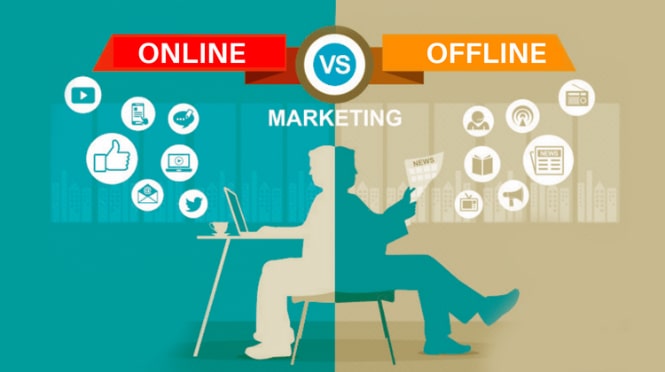
Reputation
The stronger a brand grows, the more important branded search results become.
Negative reviews are not always the problem. The real issue is ignoring them.
- Monitoring branded search results.
- Responding to reviews professionally.
- Publishing content on authoritative platforms.
To strengthen authority, businesses often use article-based promotion and link building .

Analytics
One of the most common mistakes is evaluating brand performance only through direct conversions.
In reality, brand influence is reflected in:
- Growth of branded search queries.
- Higher CTR.
- Lower cost per lead.
- Increased repeat purchases.
Measurement typically relies on GA4 and traffic segmentation. Detailed recommendations are available in Google’s official documentation: Google Analytics documentation .
Conclusion
Online brand promotion is a structured process, not a collection of isolated tools. SEO builds long-term presence. Advertising accelerates demand. Social media creates interaction. Reputation reinforces trust.
When these elements work together, a brand no longer depends on a single channel and begins to grow steadily.


