




Push notifications are short messages that users of websites and mobile applications receive. Usually they are informational and advertising in nature and contain notifications about promotions, special offers, and news. Many people encounter them every day: application notifications on a smartphone, on a computer. Push messages are sent only to those users who have agreed to receive notifications. For companies, this is a good way to interact with the audience, unobtrusively remind them of themselves, and increase conversions. For example, reminding about an abandoned cart increases the chance of bringing the customer back to the site.
When visiting various sites, you often come across an offer to subscribe to news, promotions, and updates. Thanks to push mailings your customers will be able to receive useful messages on their smartphone or computer. Because push notifications are short, unobtrusive and contain only useful content – they do not “annoy” users. It is advisable to use the technology when you already have a certain customer base. The purpose of such mailings is to increase sales, attract attention to the brand, and “revive” the activity of the audience.
How Push Notifications Work
From the user's point of view, the work of push mailings is very simple and includes only three stages:
- Go to the site . A new visitor will be automatically and unobtrusively invited to subscribe to the newsletter, notifications about special offers, arrivals or new content.
- Agreement. Subscription to notifications is voluntary, so interested users will most likely agree to receive messages, and those who do not like this format of communication will simply refuse. Consequently, only those who are interested in following your resource will receive messages.
- Receiving messages . Subscribed users will periodically receive promotional or informational notifications. Short reminders will create a sense of dialogue and help increase trust in the brand.
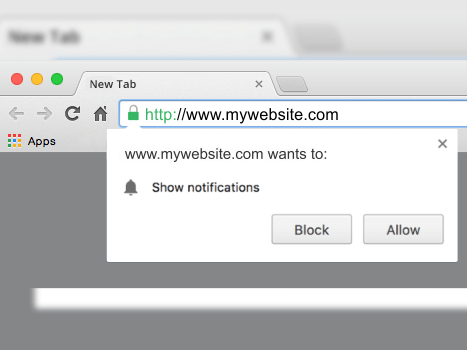
Subscription actually takes place in one click. The user does not need to provide additional personal data or other information. Implementing push notifications can significantly improve conversion rates, engagement, and profits.
Types of Push Notifications
Newsletters are a fairly flexible tool that can be configured to perform several tasks at once: informing users, thank-you messages or reminders. Based on this, notifications can be classified according to the functions they perform.
- Limited offers, promotions, interesting content. These kinds of messages will help bring users back to the site and arouse interest. To increase engagement, you can also take care of creating content that your audience will be interested in reading. For example, an overview of the benefits of products or advice on choosing something. But it’s important not to overdo it; too frequent and intrusive messages, on the contrary, can alienate the audience.
- Transactional messages. This type of push messages is widespread in the field of online banking and various delivery services. Receiving short notifications about debiting, crediting funds, and order confirmation is very convenient and also creates the impression of a premium service. Users willingly agree to this kind of informative notifications.
- Trigger mailing. The user receives personalized messages based on his actions. For example, thanks for making a purchase, registration, birthday greetings, or a reminder about a forgotten cart. The implementation of such mailings is technically more difficult, but it helps to increase customer loyalty and the number of orders.
- Actions of other users. Widely used on social networks, for example, someone added material to a story or posted a post. Most often, such content will arouse interest and a desire to go to the application.
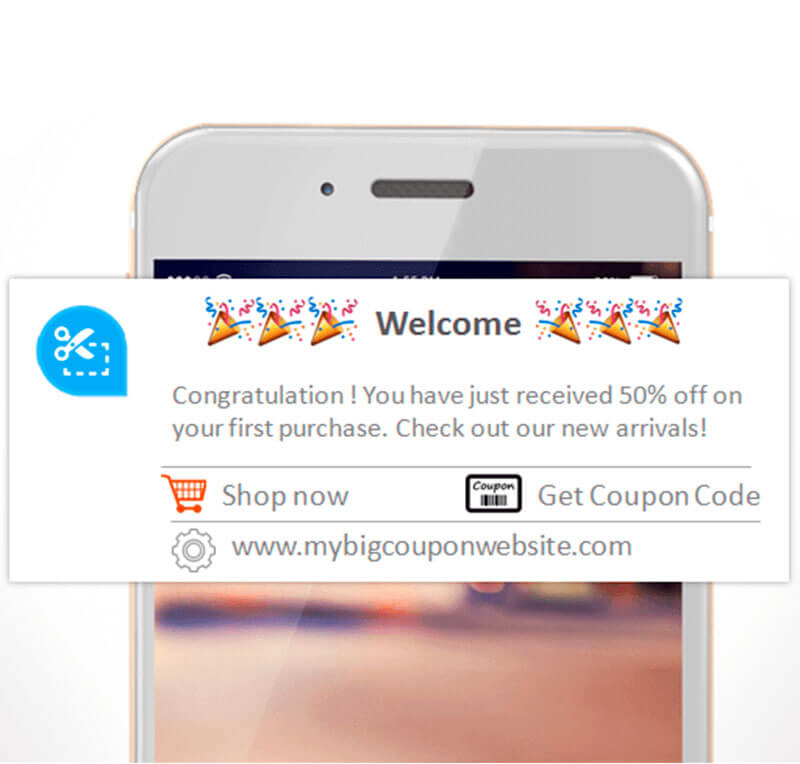
Are notifications different on mobile devices and desktops? No, their differences are only in visual design.
Where is it necessary to use Push mailings?
Without push notifications, it is difficult to imagine the effective operation of such resources:
- Media, thematic information sites, blogs - informing about new publications will help bring users back to the site. However, this is effective when content is published infrequently. Regular push messages are more likely to cause negative emotions.
- Online stores - messages about promotions, sales, personal recommendations based on viewed products, all this helps to increase sales, minimize the number of abandoned carts, and also form a base of loyal customers.
- Various other projects, because push mailings help increase audience activity and resource efficiency.
Features of Push mailings
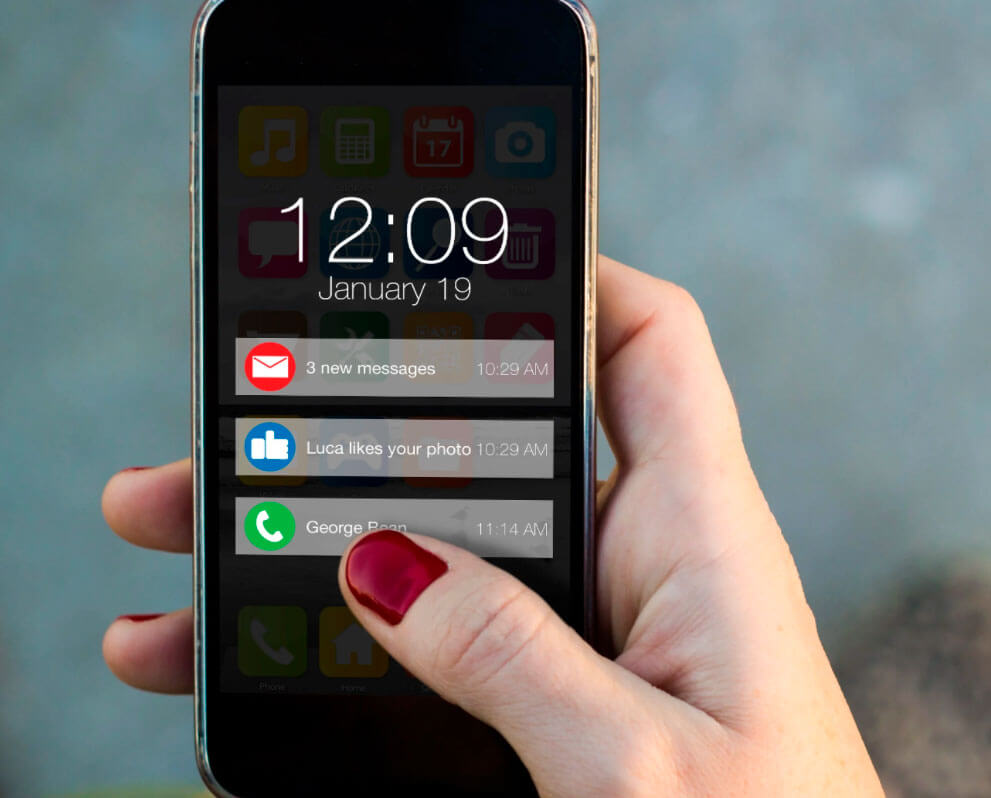
The right approach when implementing newsletters allows you to further interest users of the website, mobile application and inspire trust on the part of users. When creating your newsletter, consider the following factors:
- It is necessary to think about the frequency of sending notifications; do not send them too often.
Since the scope of notifications is very limited, focus on the essentials to get the basic information across quickly.
The introduction of push notifications remains a relevant tool for interacting with the target audience. Technology can significantly improve the efficiency of your online business!
We also have a useful article for owners of Internet resources about ways to improve site reputation .


